 VapeWholesaleHub
Mountain Dew Ice KPI Set for Wholesale Operations — Duty and Tax Worked Out
Treat mountain dew ice as a repeat purchase category rather than a one off buy. That single change in framing alters almost every decision downstream, from carton size to how many strengths you list.

Getting Mountain Dew Ice to Your Warehouse
Split mountain dew ice shipments across two sailings when the order is large enough. It costs slightly more but removes the risk of a single event wiping out a full quarter of stock.
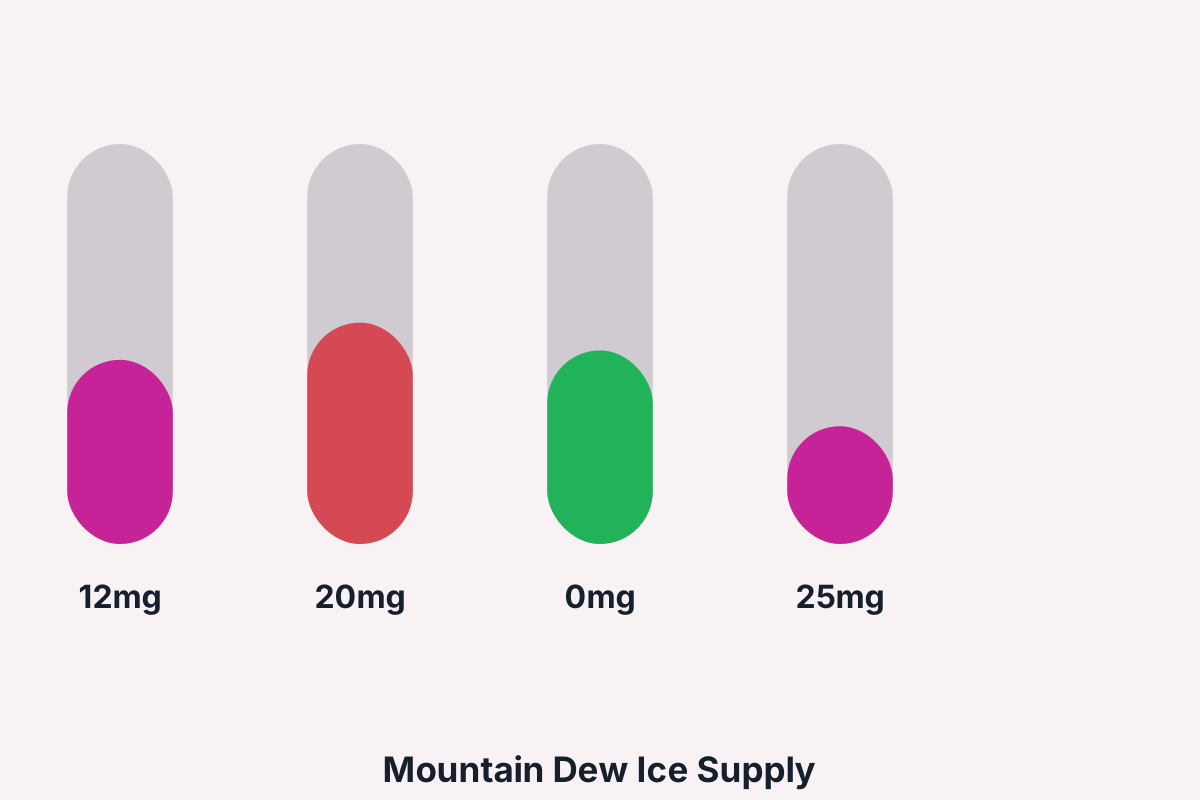
How Mountain Dew Ice Fits the Assortment
Category data for mountain dew ice is noisier than it looks. Promotions, weather and local competition all move weekly numbers, so read three months at a time rather than reacting to a single week.
A tight mountain dew ice range with deep availability usually outsells a wide range with thin stock. Customers who find their line in stock come back; customers who are told to wait do not.
Inspection Before Dispatch
The defect rate that matters is the one your customer experiences, not the one the factory reports. Bridge that gap by inspecting the way a customer would open the box, not the way a line worker packs it.
- Plan the switch from air to sea freight before you need it.
- Agree the tolerance band in writing before approving artwork.
- Start with a mixed carton and let your own sell-through decide.
- Model landed cost, not ex-works price, when comparing quotes.
- Check carton dimensions against your freight quote before confirming.
Market Signals
The mountain dew ice category is consolidating around suppliers who can document what they ship. Buyers who built that requirement into their process early are now finding it much easier to scale.
Expect mountain dew ice packaging requirements to keep tightening. Designs that leave room for additional labelling age better than tight layouts that need a full reprint to comply.
The Specification That Matters
Ask any factory for the same mountain dew ice sample twice, three months apart. If the second sample drifts, the production line is running without statistical control and your reviews will drift with it. Consistency over time is a more useful signal than a single good sample.
| Product category | Open system |
|---|---|
| Resistance band | 1.0 - 1.2 ohm |
| Capacity tolerance | +/- 2% |
| Puff count method | Machine cycle 2s on / 18s off |
| Master carton | 200 units |
| Carton weight | 11.4 kg |
| Shelf life | 24 months |
| Storage | 15-25 C, dry, away from direct light |
Pricing and Margin
When you model mountain dew ice pricing, build in a realistic shrink figure. Even a well run line loses a small percentage to damage, expiry and sampling. Pretending that number is zero is how a healthy looking margin turns negative.
Hold a small mountain dew ice buffer in your pricing model for currency movement. A few percent on a container is a real number, and it is easier to plan for than to absorb.
Indicative reference points for planning purposes: entry tier from USD 2.13 per unit at 1000 units, mid tier at USD 1.72, and volume tier at USD 1.48 for full container quantities. These figures move with specification, packaging and freight, so treat them as a shape rather than a quote.
Practical Checklist
- Agree the tolerance band in writing before approving artwork.
- Keep sealed retained samples from every production batch.
- Plan the switch from air to sea freight before you need it.
- Write the complaint threshold into the order terms.
- Rotate stock by batch code rather than by delivery date.
- Check carton dimensions against your freight quote before confirming.
Frequently Asked Questions
Is there support for in-store material?
Yes. Shelf talkers, counter cards and simple planogram suggestions are available for mountain dew ice ranges that reach a sensible volume. Most retailers find the plain strength and flavour cards do the most work.
What information do you need to quote?
Target specification, approximate quantity, destination and any packaging requirement. With those four we can usually come back with a costed option the same working day rather than a request for more information.
What if a batch does not match the sample?
Keep the retained samples from the approval stage. If a delivered batch measurably differs, we compare against the retained set and resolve it against the production record. This is why we insist on sealed retained units from every run.
How do you handle a short shipment?
Cartons are counted and weighed before dispatch and the figures are shared with you. If something is short on arrival, the packing record and the carrier documentation are both available, which keeps the claim straightforward.
Do you hold stock for regular customers?
For established programmes we can reserve production slots and, in some cases, hold finished mountain dew ice stock against a forecast. It removes most of the lead time risk from a reorder and is worth discussing once volumes are stable.
Next Step
Whatever you decide, decide it against numbers you can check on arrival. That single discipline removes most of the risk from importing mountain dew ice.
Related Reading
- Mountain Dew Ice Bundle Pricing That Moves Older Stock — Plain Language
- Setting Minimum Order Quantities for Mountain Dew Ice — EU Markets
- Mountain Dew Ice Electronic Data Interchange for Large Accounts — Small Batch Buyers
- Mountain Dew Ice Inventory Turnover Benchmarks for Stores — Before Your Next Order
- Mountain Dew Ice Cross Selling With Adjacent Categories — Established Chains
- Mountain Dew Ice First Order Playbook for New Importers — 2026 Edition