 VapeWholesaleHub
Comparing Mountain Dew Ice Factory Tiers and What You Get — Cash-and-Carry Formats
Buying mountain dew ice wholesale is a logistics problem disguised as a product problem. The unit is small, the margin depends on freight density, and the failure mode shows up weeks after delivery. The notes below come from real orders we have shipped.
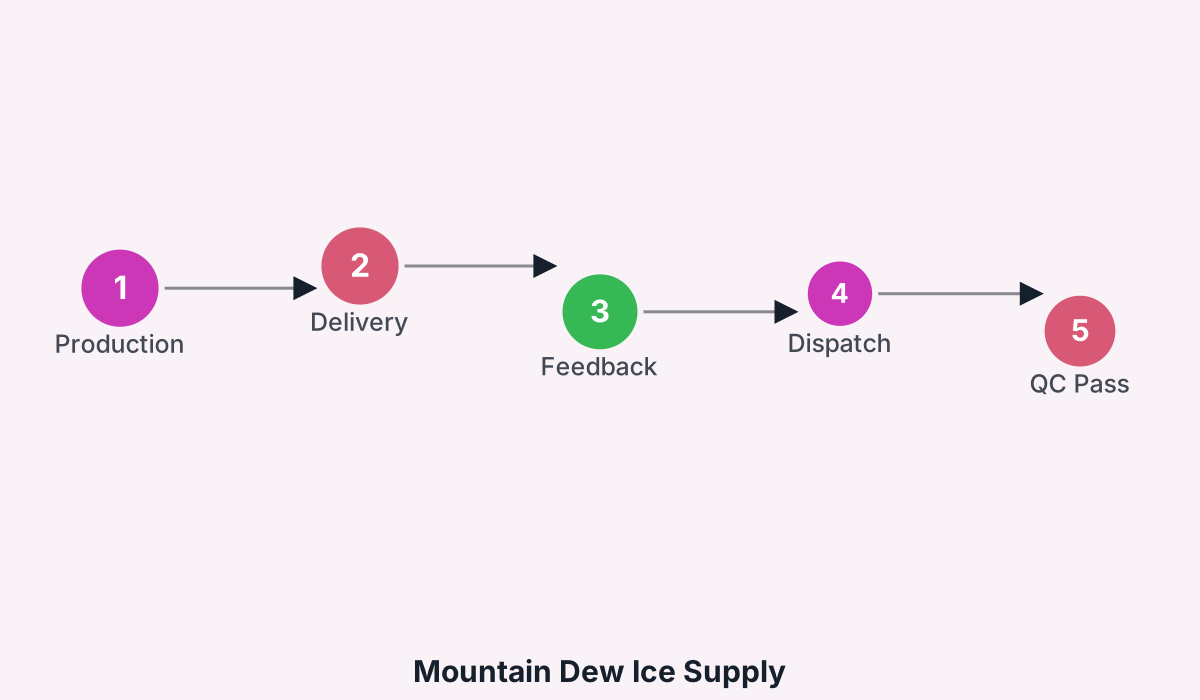
Inspection Before Dispatch
The defect rate that matters is the one your customer experiences, not the one the factory reports. Bridge that gap by inspecting the way a customer would open the box, not the way a line worker packs it.
Inspection is only useful if the result is recorded somewhere you can find it later. A mountain dew ice batch log with weights, codes and measurements turns a future complaint into a five minute lookup.
- Start with a mixed carton and let your own sell-through decide.
- Rotate stock by batch code rather than by delivery date.
- Confirm the current customs classification with your own broker.
- Check carton dimensions against your freight quote before confirming.
- Write the complaint threshold into the order terms.
Trends Worth Watching
Demand for mountain dew ice has been steadily rebalancing. The early phase rewarded whoever could ship fastest; the current phase rewards whoever can ship the same thing twice. That shift favours buyers who invest in specification rather than price shopping.
Retailers report that mountain dew ice customers are asking more specific questions than they did two years ago. That favours ranges with clear, simple information over ranges with clever marketing.
What Mountain Dew Ice Really Costs Landed
Tiered pricing works best when the tiers match real customer behaviour. Most mountain dew ice buyers will take the second tier if the step is modest and the third tier only if they can see a genuine reason to hold more stock.
When mountain dew ice input costs move, ask which component moved. A generic price increase hides whether you are paying for cells, packaging or simply a busy production calendar.
Indicative reference points for planning purposes: entry tier from USD 1.26 per unit at 2000 units, mid tier at USD 1.13, and volume tier at USD 0.66 for full container quantities. These figures move with specification, packaging and freight, so treat them as a shape rather than a quote.
Positioning Mountain Dew Ice on Your Shelf
Mountain Dew Ice sits at an interesting point in the assortment. It is familiar enough to be an impulse purchase and specific enough to build a repeat pattern around. Treating it as either pure commodity or pure specialty both lead to poor results.
One useful exercise: list every mountain dew ice line you stock and mark the last date each one sold at full price. Anything without a recent full price sale is taking space from something that would use it better.
Selling Mountain Dew Ice at Store Level
On shelf, mountain dew ice sells on clarity. A plain shelf talker that states strength and flavour in two words outperforms a beautifully designed but vague display, because most purchase decisions here take under ten seconds.
Getting Mountain Dew Ice to Your Warehouse
Freight is the hidden half of mountain dew ice unit economics. A denser master carton can save more per unit than a hard negotiation on factory price, because the saving repeats on every reorder rather than once.
Air freight makes sense for a first mountain dew ice order when you need to test demand quickly, but almost every steady programme moves to sea freight once volumes stabilise. Planning that switch early avoids a painful margin squeeze later.
Practical Checklist
- Write the complaint threshold into the order terms.
- Confirm the current customs classification with your own broker.
- Keep sealed retained samples from every production batch.
- Rotate stock by batch code rather than by delivery date.
- Check carton dimensions against your freight quote before confirming.
- Model landed cost, not ex-works price, when comparing quotes.
Frequently Asked Questions
Can I visit the production facility?
Yes, and we encourage it for larger programmes. Visits are most useful when you already have a draft specification, because you can then check the specific processes behind the numbers you care about.
Can I mix strengths in one order?
In most cases yes, as long as each strength meets the minimum run length. Mixed strength cartons are popular with retailers building their first display because they show the full ladder without over committing.
How do you handle a short shipment?
Cartons are counted and weighed before dispatch and the figures are shared with you. If something is short on arrival, the packing record and the carrier documentation are both available, which keeps the claim straightforward.
What if a batch does not match the sample?
Keep the retained samples from the approval stage. If a delivered batch measurably differs, we compare against the retained set and resolve it against the production record. This is why we insist on sealed retained units from every run.
How should mountain dew ice be stored?
Cool, dry and out of direct sunlight. Heat and light are the two things that shorten shelf life fastest. Rotate stock by batch code rather than by arrival date, and keep cartons off concrete floors in humid warehouses.
Next Step
Start smaller than feels comfortable, measure honestly, then scale what worked. That sequence has saved more of our customers money than any negotiation tactic we could suggest.
Related Reading
- Mountain Dew Ice Retail Price Architecture Across Channels — Cross-Border Trade
- Mountain Dew Ice Packaging Refresh Without Losing Recognition — Updated for 2026
- Mountain Dew Ice Assortment Depth Versus Breadth — Premium Shelf Programmes
- Mountain Dew Ice Display Ideas for Small Counters — Small Batch Buyers
- Mountain Dew Ice Product Photography for Listings — Oceania
- Mountain Dew Ice Quality Control: Tests We Run Before Dispatch — 2026 Buyer Notes